Cutting Food Costs Without Sacrificing Nutrition: 7 Proven Moves
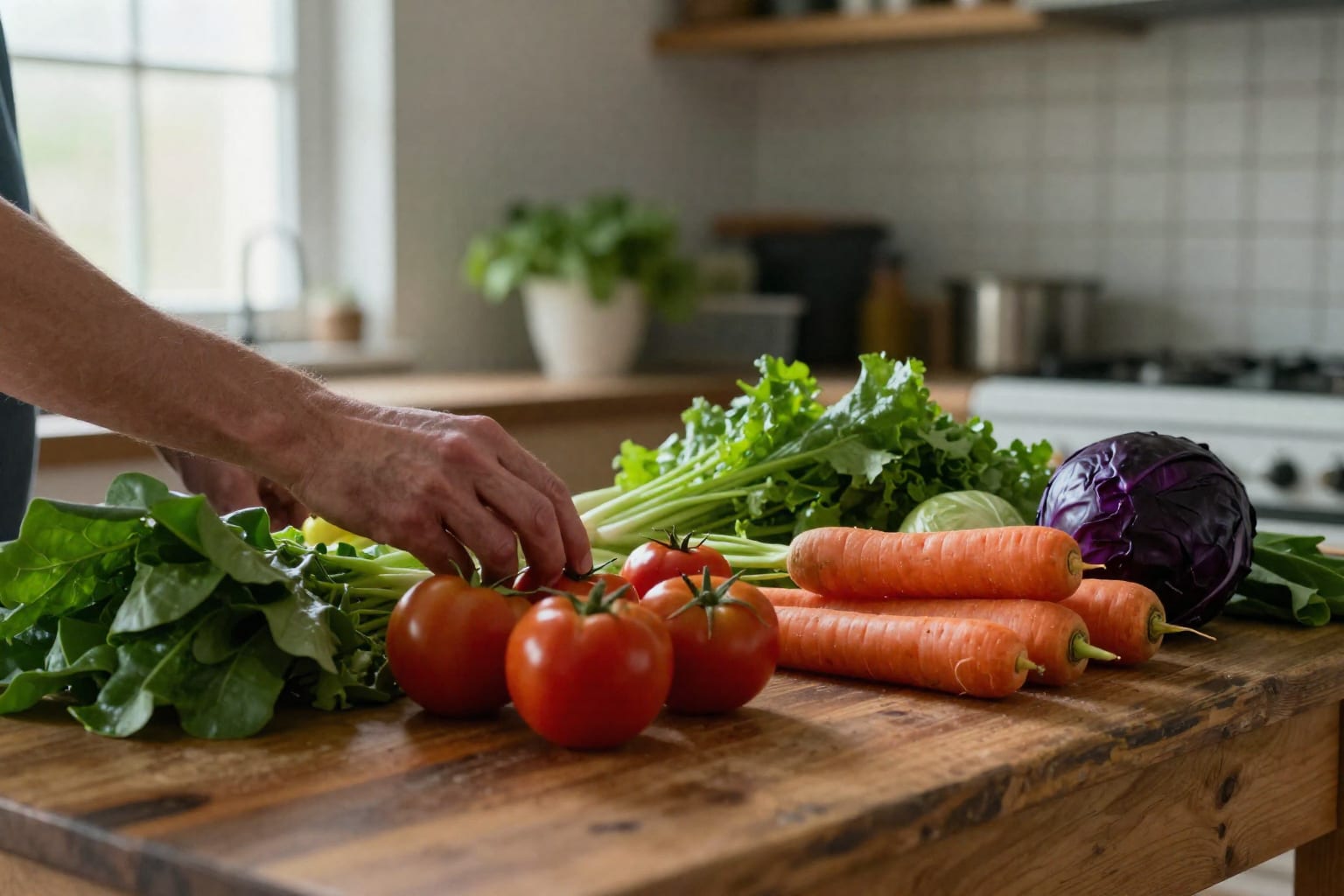
Last spring I did something I'd been avoiding for years: I tracked every single grocery receipt for a full month. The total came in around $340 for two people — not extravagant, but not exactly lean either. What bothered me most wasn't the number. It was realizing that a solid chunk of that money had gone into the compost bin. Wilted spinach. A forgotten block of cheese. A bag of rice I'd bought with grand intentions and never opened. Cutting food costs without sacrificing nutrition turned out to be less about finding cheaper products and more about stopping the quiet financial bleed of wasted food and impulsive buying. Here's what actually worked.
Why Cheap Food Doesn't Have to Mean Bad Food
There's a stubborn myth that eating well costs more — that nutrition is a premium you pay extra for. And honestly, the supermarket layout encourages this belief. The bright packaging, the "premium" labels, the organic section at twice the price of the conventional bins: everything signals that quality costs money.
But the most nutrient-dense foods on the planet are also some of the cheapest. Lentils. Oats. Eggs. Canned sardines. Frozen spinach. These aren't consolation prizes for people who can't afford better. They're legitimately excellent foods that have sustained populations across centuries. A cup of cooked lentils delivers around 18 grams of protein and a substantial hit of iron and fiber for somewhere in the range of 20 to 30 cents, depending on where you shop. That's not a budget compromise — that's just good food.
The real cost driver in most grocery budgets isn't the price of healthy staples. It's convenience foods, food waste, and buying without a plan. Fix those three, and you free up significant money without touching the quality of what you eat.
Build Your Grocery List Around Protein Per Dollar
Most people anchor their grocery budget thinking around meals ("What should we have for dinner this week?") rather than nutrition ("What's giving me the most value per dollar?"). Shifting to a protein-per-dollar lens changes what ends up in your cart.
Here's a comparison that surprised me when I actually sat down and calculated it. A 500g pack of chicken breast might run you around $6–$8. A dozen eggs might cost $2.50–$4. A 400g can of chickpeas: under $1.50. A 500g bag of dried red lentils: roughly $2–$3. On a pure protein-per-dollar basis, eggs and legumes routinely beat chicken, and they can be prepared in dozens of ways that don't feel like deprivation.
This isn't an argument against meat. It's an argument for balance. I used to plan every dinner around a protein centrepiece — usually something from the meat aisle — with everything else supporting it. Shifting to two or three legume-based meals per week, with meat as one component rather than the whole show, cut my protein spending noticeably while keeping my actual protein intake about the same. The dish I kept coming back to was a simple spiced red lentil soup: one bag of lentils, a can of tomatoes, onion, garlic, cumin, coriander, done in 25 minutes, costs under $3 total for four servings, and keeps in the fridge for four days.
Canned fish — sardines, mackerel, tuna — deserves its own mention. Nutritionally it's exceptional (omega-3s, protein, vitamin D, often calcium from the soft bones in sardines), and it's shelf-stable, so there's zero waste from spoilage. It's one of the highest-value items in the grocery store that most people walk past.
The Freezer Is Your Best Financial Tool
I used to think of my freezer as a place where good intentions went to die — those half-used bags of peas that had been there since January, the bread I froze and forgot. That changed when I started treating the freezer as active storage rather than a holding pen.
The two biggest wins: buying meat and fish in larger packs when they're on sale, portioning and freezing immediately; and batch cooking grains and legumes on weekends to freeze in meal-sized portions. Both of these compress your cost per serving without any sacrifice in nutrition, because frozen food's nutritional content is essentially unchanged from fresh if you freeze it promptly.
Bulk buying only saves money if you actually use what you buy — that's the caveat. Buying a 2kg pack of chicken thighs at a lower per-kg price is a win if you freeze half that day. It's a loss if half of it goes off in the fridge because you lost track. The system only works if you pair it with portion awareness and clear labelling. I use masking tape and a marker: item, date, quantity. Takes ten seconds and has stopped a lot of waste.
Frozen vegetables are worth a specific endorsement here. Broccoli, peas, edamame, spinach, corn — these are typically harvested and frozen within hours, which means their vitamin content is well preserved. Fresh spinach sitting in your fridge for five days has lost a meaningful amount of its vitamins. Frozen spinach you pull out and add to a curry has not. The nutritional case for frozen produce is genuinely strong, and the price case is even stronger.
Shop the Perimeter, Then Go Back for the Middle Aisles
"Shop the perimeter" is one of those pieces of grocery advice that sounds smart and is partially right. Yes, the perimeter usually holds produce, meat, dairy, and eggs. But following it religiously means skipping some of the best-value nutrition in the entire store.
The middle aisles contain canned beans, dried lentils, oats, canned tomatoes, canned fish, whole grain pasta, brown rice, olive oil, vinegar, spices — these are not junk food categories. They're the backbone of healthy cooking across every food culture on earth. The Mediterranean diet, often cited as one of the most health-promoting eating patterns studied, is largely built on pantry staples: legumes, olive oil, canned tomatoes, whole grains, tinned fish. None of those come from the perimeter.
My practical rule: shop the perimeter first for fresh produce, proteins, and dairy. Then go back through the middle aisles for the pantry building blocks. Don't skip the tinned fish section. Don't walk past the dried pulses. The nutritional value in those aisles, gram for gram and dollar for dollar, is outstanding.
One specific comparison worth making: a bag of dried chickpeas costs a fraction of a can of pre-cooked chickpeas, and if you're comfortable cooking them (which takes soaking overnight and about 90 minutes of simmering, mostly hands-off), the savings over time are meaningful. But canned chickpeas are still excellent value and far more convenient. Don't let the perfect be the enemy of the very good.
Meal Planning That Actually Reduces Food Waste
The most counterintuitive finding from my month of receipt-tracking: the weeks I spent more time planning were the weeks I spent less money, not more. The connection isn't obvious until you realise that most grocery overspending is reactive — buying things without a specific meal in mind, or buying duplicates of things you already have.
My planning system is simple enough that I've actually stuck with it. On Sunday morning, I spend about 15 minutes looking at what's already in the fridge and pantry, then plan five or six dinners around what needs to be used up first. I write the shopping list from that plan, not before it. That order — inventory first, plan second, shop third — eliminated most of my waste almost immediately.
The other thing that helped was getting more comfortable with ingredient overlap. If I'm buying a bunch of kale for one meal, I plan a second meal that week that uses kale too. If I'm buying a block of feta, it goes into two dishes, not one. This sounds obvious, but most of us don't actually do it. We plan meals in isolation and end up with half-used ingredients that go off before we circle back to them.
Food waste is genuinely expensive. Households throw away a meaningful share of the food they purchase — for a typical family, this can represent hundreds of dollars per year. That's not a small number, and it doesn't require buying better food to fix it. It requires using the food you already buy.
When Store Brands Beat Name Brands (and When They Don't)
Here's my actual decision rule, formed after years of switching back and forth: for commodity ingredients, always buy store brand; for anything where texture or flavour dominates the dish, taste-test first and let the result decide.
Store brand canned tomatoes, dried pasta, oats, flour, sugar, olive oil, frozen vegetables, canned beans — in my experience the quality difference ranges from zero to negligible, and the nutritional profile is essentially identical. The label is different. That's mostly it. I've stopped buying name-brand canned tomatoes entirely and haven't noticed a difference in a single dish.
Where store brands can fall short: certain spices where freshness matters, cheese where flavour intensity makes a real difference to a dish, and premium condiments where the quality gap is perceptible. But these are edge cases, not the rule. For the staples that form the bulk of a healthy grocery shop, store brands are an easy win.
One area where I'd push back against automatic store-brand preference: probiotic yoghurt and certain fermented foods, where the specific bacterial cultures used do vary between products and can affect both flavour and functional properties. This is general information, not medical advice, and your experience may differ — but it's worth paying attention to whether a switch in yoghurt brand changes how it tastes or how your gut responds.
Quick Practical Takeaway
If you want to take one thing from this into your next shopping trip: build your list around protein per dollar first. Eggs, legumes, canned fish, and plain Greek yoghurt are your anchors. Plan around what's already in your fridge before you decide what to buy. Go through the middle aisles for dried pulses, canned tomatoes, and frozen vegetables without guilt. And switch your regular brand purchases to store brand for commodity items — grains, canned goods, frozen vegetables — and see if you notice a difference. Most of the time, you won't.
Cutting food costs without sacrificing nutrition is genuinely achievable, and the moves that make the biggest difference aren't complicated. They're just specific. Worth bookmarking before your next grocery run.
Frequently Asked Questions
Can you really eat healthy on a very tight budget?
Yes. Lentils, oats, eggs, canned fish, and frozen vegetables are among the most nutrient-dense foods available and they're also among the cheapest per serving. The challenge is less about budget and more about cooking familiarity — learning a few simple preparations for these staples goes a long way.
Is frozen produce as nutritious as fresh?
Generally yes. Most frozen vegetables are flash-frozen at peak ripeness, which preserves most vitamins effectively. Fresh produce that has been in transit and refrigeration for days may have lost more nutrients than its frozen equivalent. For vegetables you're cooking anyway, frozen is often the smarter choice nutritionally and financially.
How much can meal planning actually save?
This varies significantly by household, but reducing food waste — one of the largest hidden costs in grocery spending — can represent substantial savings each month without changing what you buy or how much you spend per trip. The savings come from using what you already purchase rather than discarding it.
For more strategies on structuring your grocery shop week to week, see our guide on how to build a weekly meal plan on a tight budget. If you want to go deeper on protein sourcing, our breakdown of the best cheap high-protein foods for muscle and satiety covers the numbers in more detail. For broader context on nutrition guidelines, the USDA nutritional guidelines provide a well-researched reference on nutrient targets across different life stages.